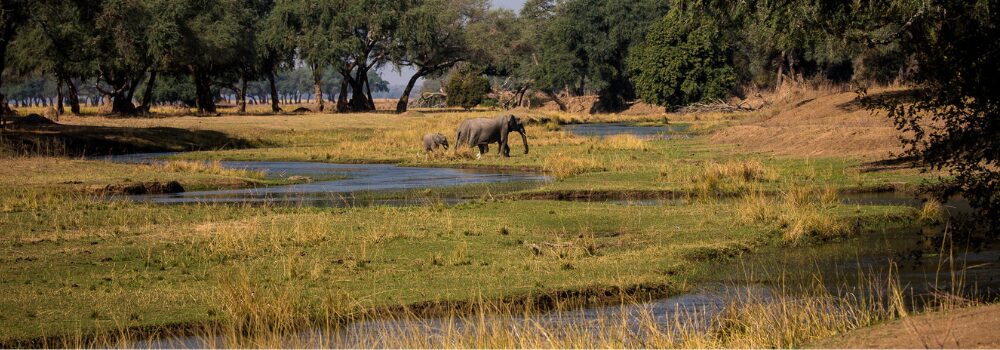
Mana Pools National Park in northern Zimbabwe is one of Africa’s wildest, most authentic safari destinations. Renowned for on-foot tracking, canoeing on the Zambezi River, and remarkably close wildlife encounters, it’s a true sanctuary for nature lovers. Expect elephants, lions, hippos, crocodiles, thriving populations of African wild dog, and over 450 bird species in a landscape of open floodplains and shady woodlands.
This is safari stripped back to its essence. Think sand between your toes, camera in hand, fireside evenings, and expert guiding—rather than the latest decor and mod cons.
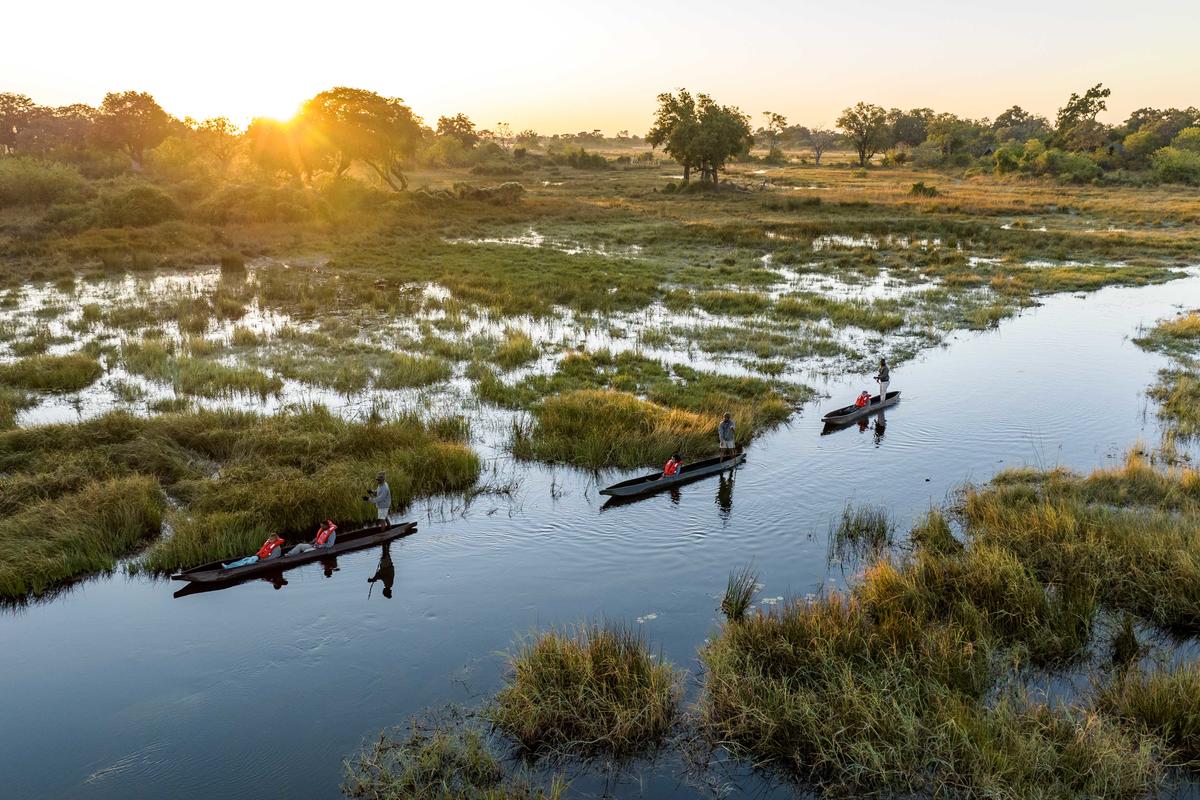
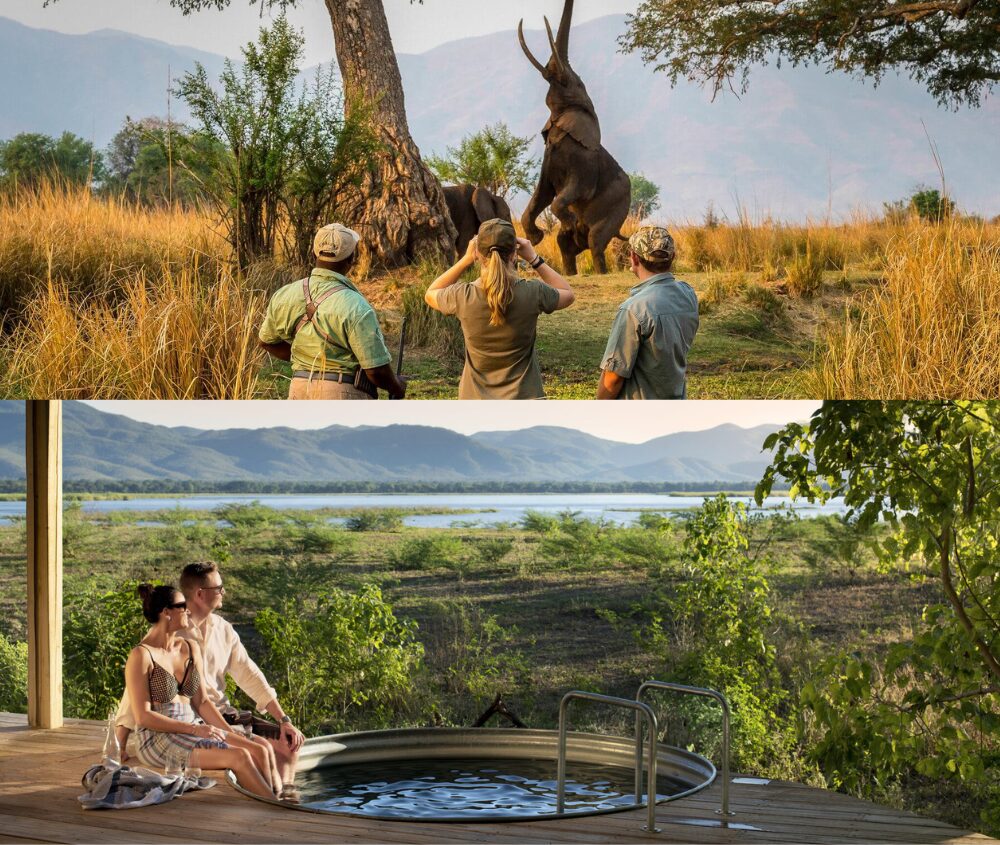
Walking safaris can bring you within a few meters of big game, while canoeing on the Zambezi lets you observe wildlife from water level, surrounded by untouched river scenery. Mana’s remoteness, sweeping river vistas, and quiet forests create a deep sense of peace—an immersive return to nature that feels both unforgettable and transformative.
Why Is Mana Pools Famous for Safari?
Very Close Wildlife Encounters
Mana Pools is one of Africa’s premier walking-safari destinations. With highly trained professional guides, you can safely approach large animals like elephant, buffalo, lion, and wild dog on foot. It’s an intense, immersive way to experience wildlife that few vehicle-only parks can match.
Wildlife You See in Mana Pools
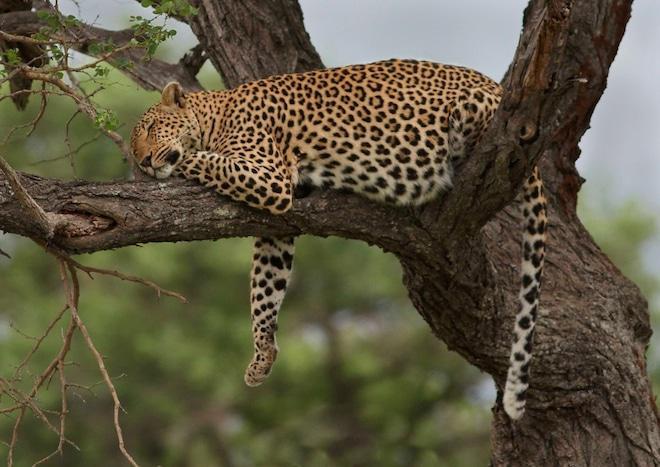
This is big-game country. The park supports strong populations of:
- Lion
- Leopard
- Spotted hyena
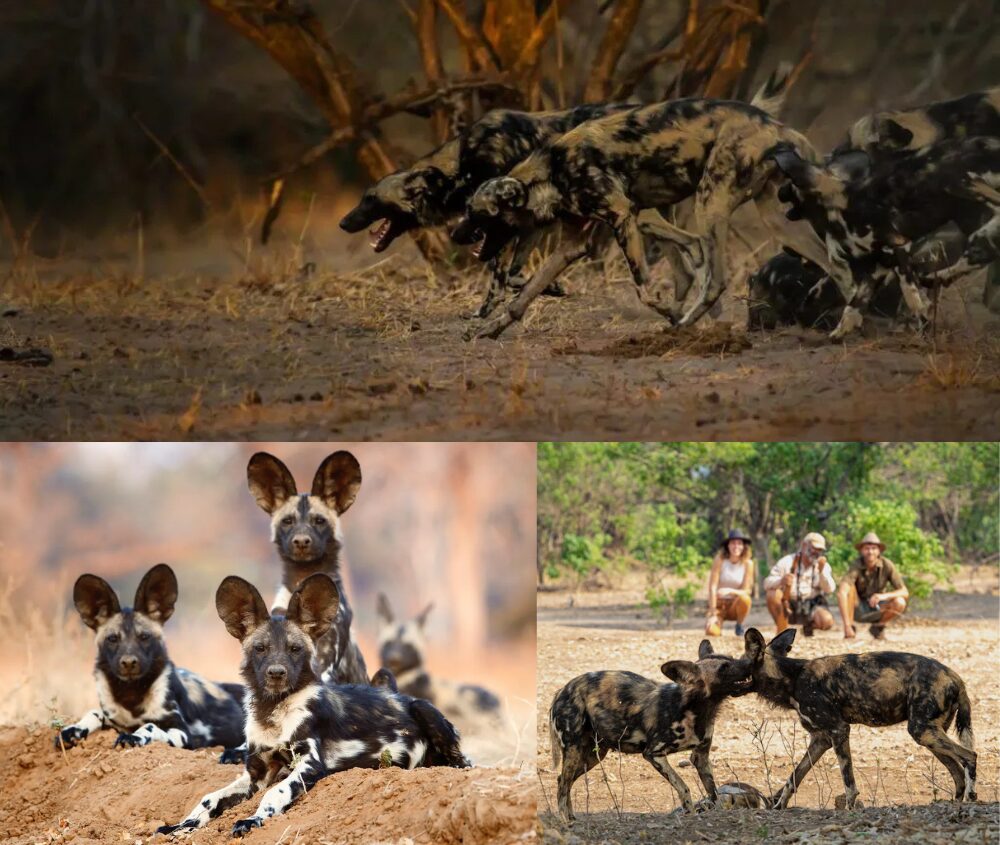
- African wild dog (a major highlight)
African wild dogs are seen regularly hunting across the floodplains, and Mana is one of the continent’s best places to witness the intricate social and hunting behaviour of this critically endangered predator.
What Makes Mana Pools Different from other destinations?
1. Iconic Zambezi River Setting
The park hugs a broad, scenic stretch of the Zambezi River, dotted with islands, channels, and sandbanks.
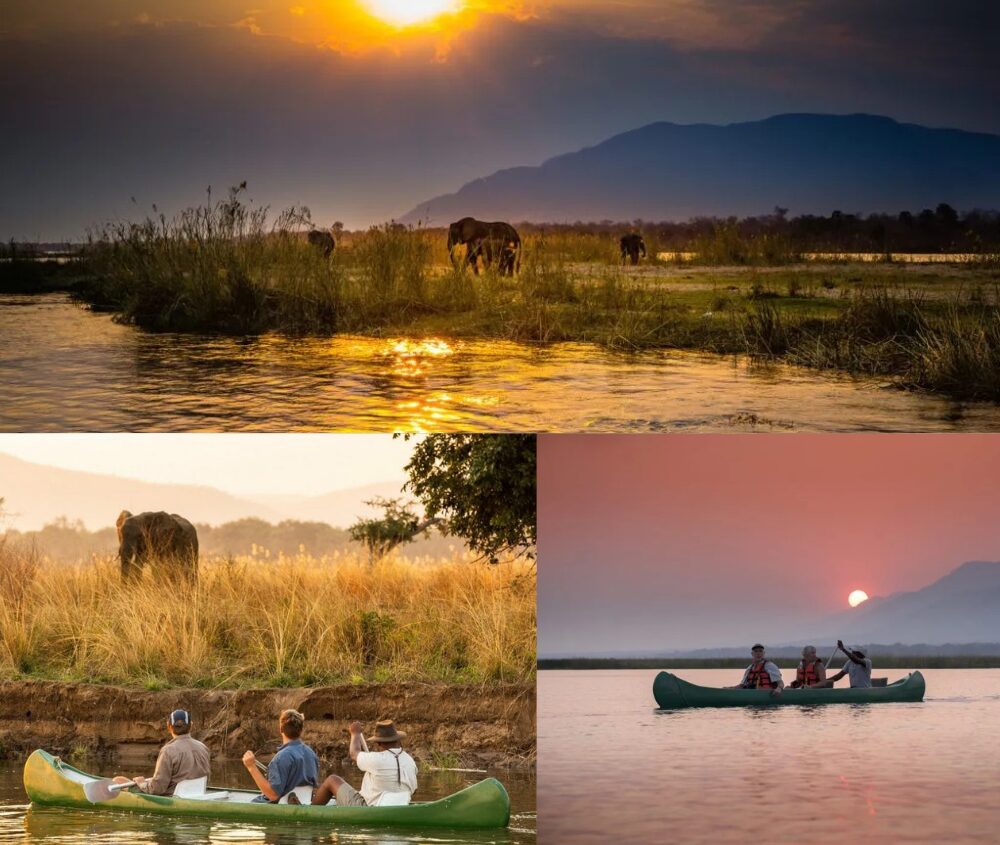
Canoe safaris are a signature experience here, offering the chance to:
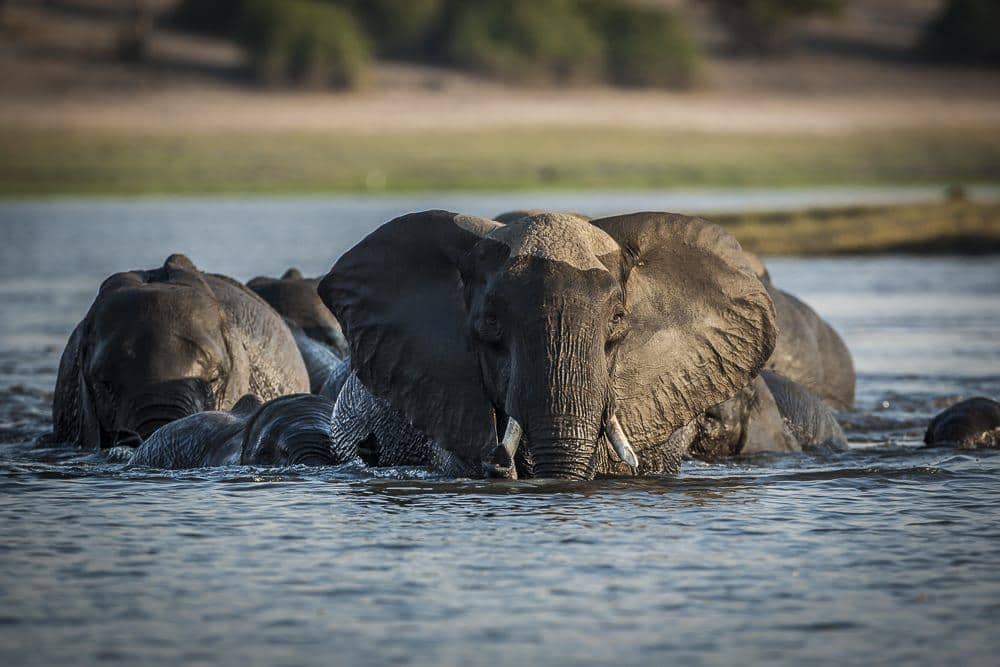
- Drift past elephants crossing shallow channels
- Watch hippos and crocodiles in their element
- Enjoy outstanding birding from the water
Very few African parks offer this level of water-based wildlife viewing in such a wild setting.
2. Photographic Drama & Unique Elephant Behaviour
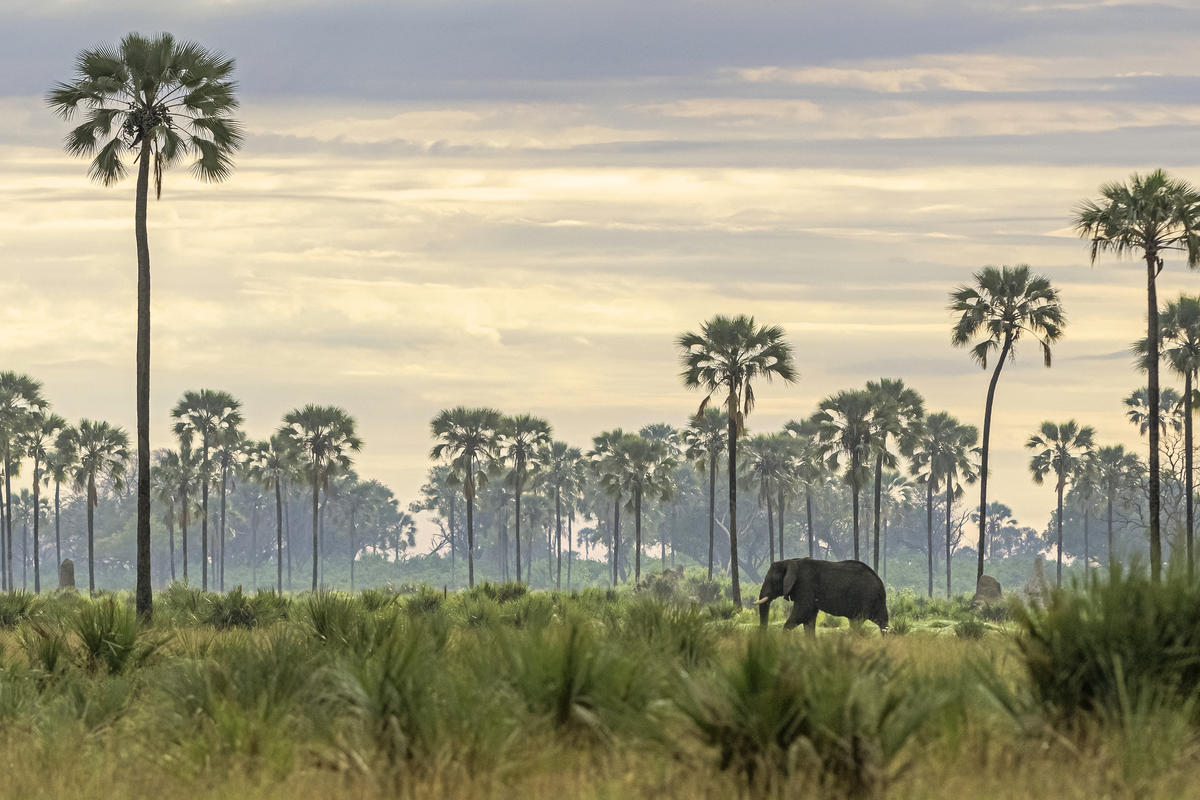
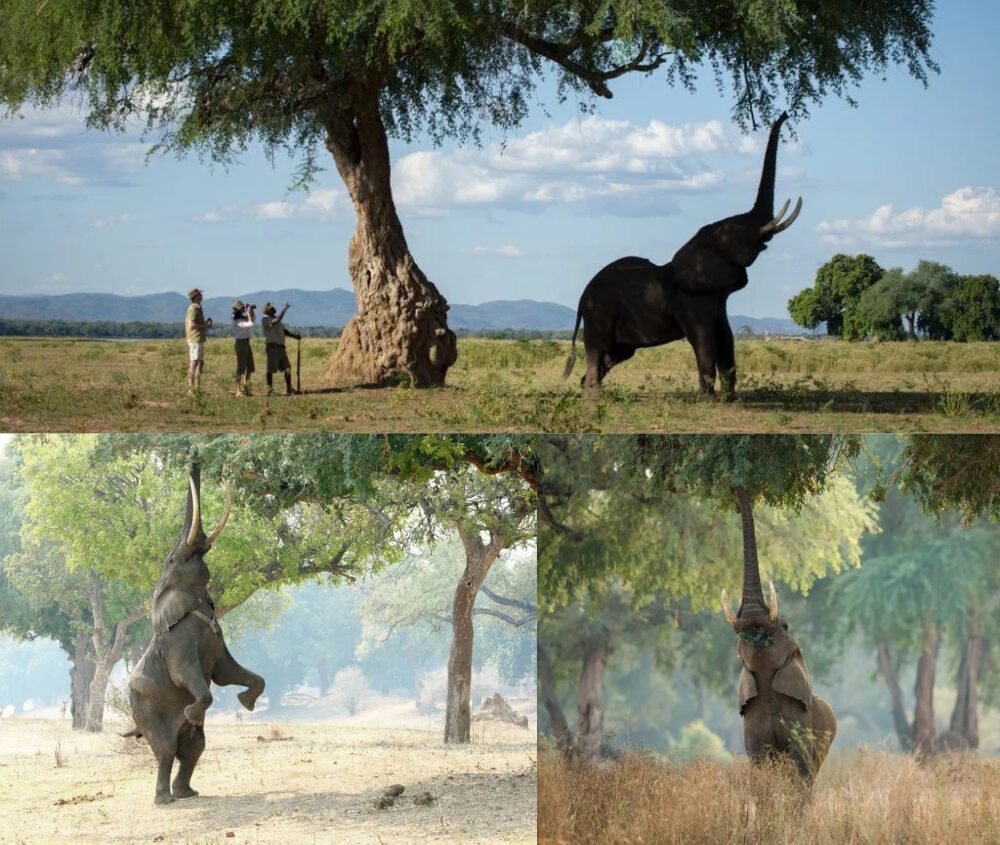
Mana Pools is a dream for photographers. Ancient albida woodlands, open floodplains, early-morning mist, and soft golden light create a dramatic backdrop for wildlife images.
The elephants here are especially famous for a rare behaviour: they often rear up on their hind legs to reach high branches. This unique, highly photogenic feeding technique is seen regularly and is one of Mana’s most iconic sights.
3. Wild, Uncrowded, and “Old Africa” Atmosphere
As a UNESCO World Heritage Site with limited development, Mana Pools feels truly remote. Visitor numbers are kept relatively low, so you often have sightings all to yourself—no queues of vehicles at a lion kill, just you, your guide, and the wilderness.
It’s as close as many travellers will get to the feel of “old Africa”: raw, untamed, and unhurried.
When Is the Best Time to Visit Mana Pools?
Green Season (December – April)
The rains transform Mana into a lush green wonderland:
- Lush vegetation and wildflowers
- Full pans and river channels
- Many newborn animals — classic “baby season”
- Dramatic skies and rich, moody colours
It’s a beautiful, atmospheric time with a powerful sense of renewal.
Dry Season (May – September)
As rains ease, conditions become ideal for active safaris:
- Cooler, dry days with excellent visibility
- Perfect for walking safaris and tracking on foot
- Clear, star-filled nights for spectacular stargazing
This is the prime time for traditional safari activities.
Photo Season (October – November)
Temperatures rise and surface water shrinks, concentrating wildlife:
- Animals gather around remaining water sources
- Outstanding predator–prey interactions
- Some of the most intense game viewing of the year
Though hot, this is one of the most rewarding times for serious wildlife enthusiasts and photographers.
Insider Insight
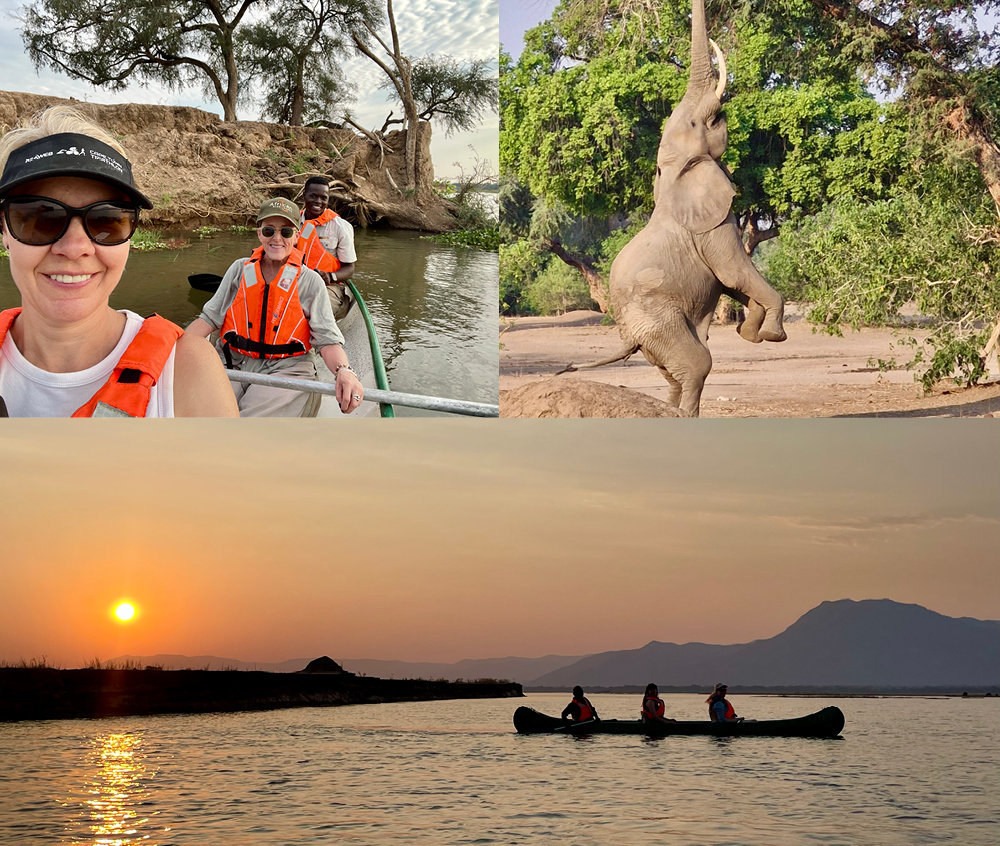
African Safari Consultant specialist Ilze Fox recently visited Mana Pools with African Bush Camps.
Her standout memory? Gliding silently in a canoe past elephants feeding along the banks of the Zambezi—close enough to hear them tear branches, yet peaceful enough that they barely looked up. It’s exactly the kind of wild intimacy that defines Mana Pools. Read her blog – Ilze’s Safari To Hwange, Lake Kariba & Mana Pools.
Planning a Safari to Zimbabwe?
Mana Pools combines beautifully with other iconic destinations such as:
- Hwange National Park – renowned for large elephant herds and classic big-game safaris
- Victoria Falls – one of the world’s great natural wonders
Our team can help you design a tailor-made itinerary that weaves these highlights into one seamless Zimbabwe safari.
Mana Pools FAQ
Where is Mana Pools National Park?
Mana Pools is in northern Zimbabwe, along the Zambezi River, directly opposite Zambia’s Lower Zambezi National Park.
Why is Mana Pools famous?
It’s best known for its walking safaris, canoe trips on the Zambezi, and unusually close, safe wildlife encounters—particularly with elephants and African wild dogs.
Is Mana Pools good for photography?
Yes. The combination of albida forests, open floodplains, dramatic light, and relaxed wildlife makes it one of Africa’s premier wildlife photography destinations.
How many days should you spend in Mana Pools?
Most itineraries recommend 3–4 nights. This allows enough time for walking safaris, canoeing, traditional game drives, and some unrushed time simply to soak up the atmosphere.