When it comes to planning an African safari, timing really is everything. The seasons determine where the wildlife moves, how lush or dry the landscapes are, and whether you’ll be sharing sightings with a handful of fellow travellers or a convoy of vehicles.
Whether you’re chasing classic savanna wildlife, pairing game drives with Cape wine estates, or visiting Victoria Falls at its peak flow, knowing when to go makes all the difference between a good safari and a truly unforgettable one, so read on to discover what happens when!
Your Questions Answered
When is the best time to visit East Africa?
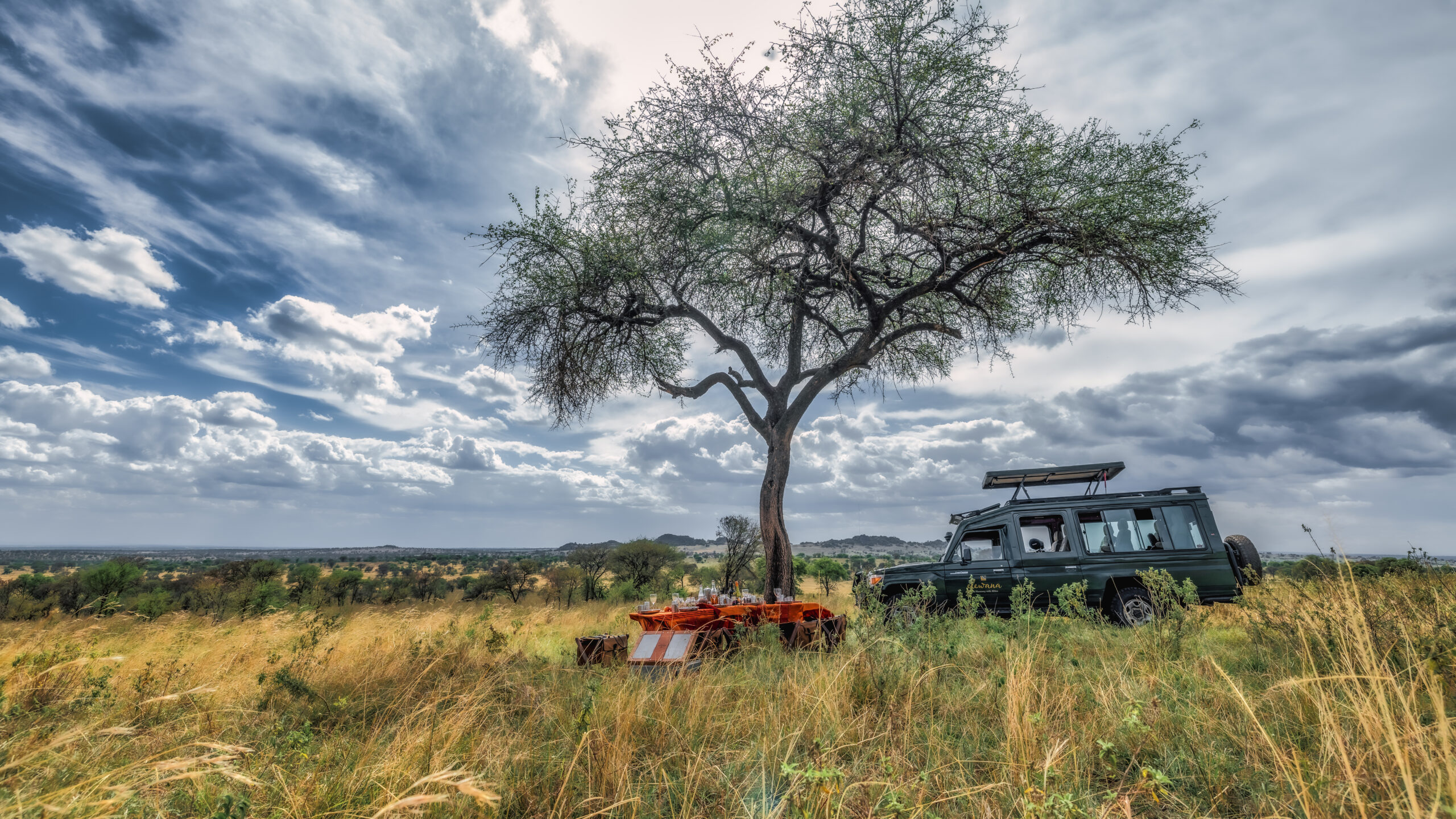
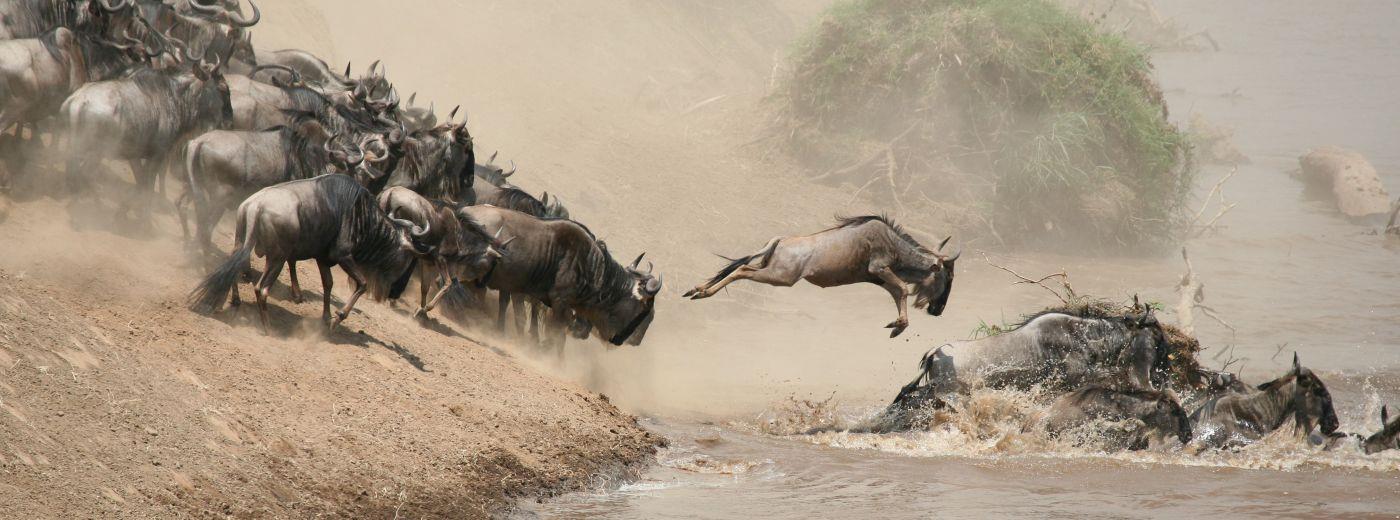
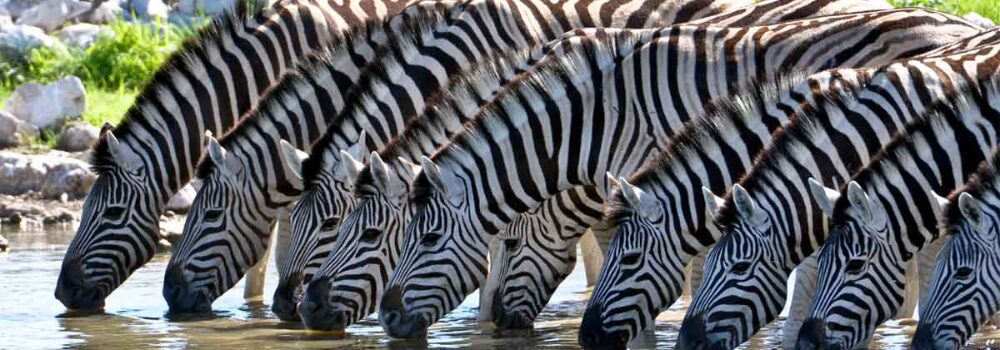
Kenya and Tanzania define the image of safari for many travellers — endless golden savannas, flat-topped acacia trees, and herds moving as far as the eye can see. The region’s crown jewel is the Great Migration, a cycle of movement by millions of wildebeest and zebra that’s recognised as one of the natural wonders of the world.
The Great Migration: What You Need to Know
The herds are on the move throughout the year, following food and water in a continuous cycle. It is the dramatic river crossings at the Mara and Grumeti Rivers that have become iconic “bucket list” safari moments — but these can never be guaranteed. Crossings vary in timing and intensity from year to year, depending on rainfall and conditions.
When are the river crossings most likely? (July – September)
- Be mindful: even at this time, sightings are never certain.
- Expect heavy vehicle traffic and large crowds.
- Peak months for the famous river crossings.
Is East Africa good outside the peak migration months?
January – February: Short dry season. Excellent game viewing and calving season in the Serengeti, with predators close behind.
March – May: Long rainy season. Muddy conditions and more dispersed wildlife, though landscapes are beautifully green.
June – October: December: Strong game viewing, fewer visitors, lush scenery, and abundant birdlife.
Takeaway: July–September offers the best chance of seeing river crossings, but East Africa delivers rewarding game viewing year-round.
When Is the Best Time to Go on Safari in Southern Africa?
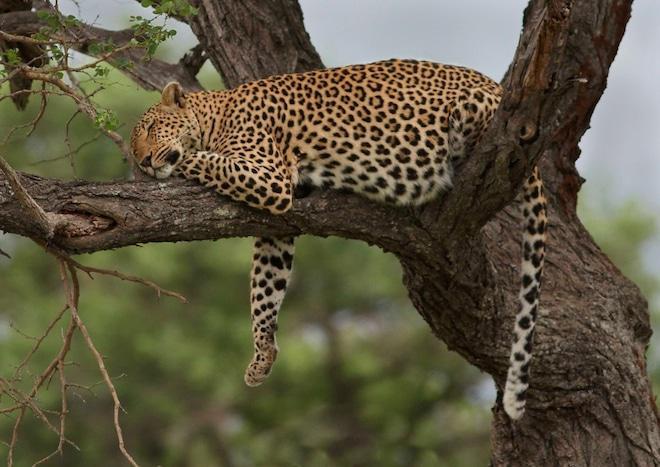
Southern Africa offers a different flavour. Here, wilderness often combines with cities, wine country, and coastlines. You can spot a leopard up a tree in the morning and be sipping sundowners on a Cape Town beach that same evening. South Africa, Botswana, Zambia, and Zimbabwe all fall into this region — each with its own seasonal highlights.
When’s the best time to combine Cape Town and a Safari?
December – February: Cape Town’s summer is glorious, but safari regions can be hot and wet, with potential flooding in Kruger.
April, May, September – November: Best balance for combining Cape Town and safari. Pleasant weather in both regions, excellent wildlife, and fewer weather disruptions.
When is peak safari season in Southern Africa? (May – September)
- Dry winter months = superb game viewing.
- Sparse vegetation and limited water make animals easier to spot.
- Cool mornings and evenings, ideal for game drives.
Are the shoulder seasons worth considering?
April: Sparkling autumn days in the Cape; safari areas are clearing after the rains.
October: Hot days before summer rains; still strong game viewing.
Takeaway: May–September delivers the most reliable game viewing, while April, October, and November are excellent for combining safari with Cape Town and coast.
Which is more affordable: East Africa or Southern Africa?
Southern Africa: Often more affordable, particularly South Africa with its favourable exchange rate. USD-based destinations like Botswana and Victoria Falls can raise costs.
East Africa: Generally more expensive, but delivers the drama of vast savannas and the Migration spectacle.
What wildlife highlights can you see by season?
EAST AFRICA
Jan–Feb: Calving season in Serengeti, predator action.
Jul–Sep: Possible river crossings.
Nov–Dec: Migratory birds, green scenery.
SOUTHERN AFRICA
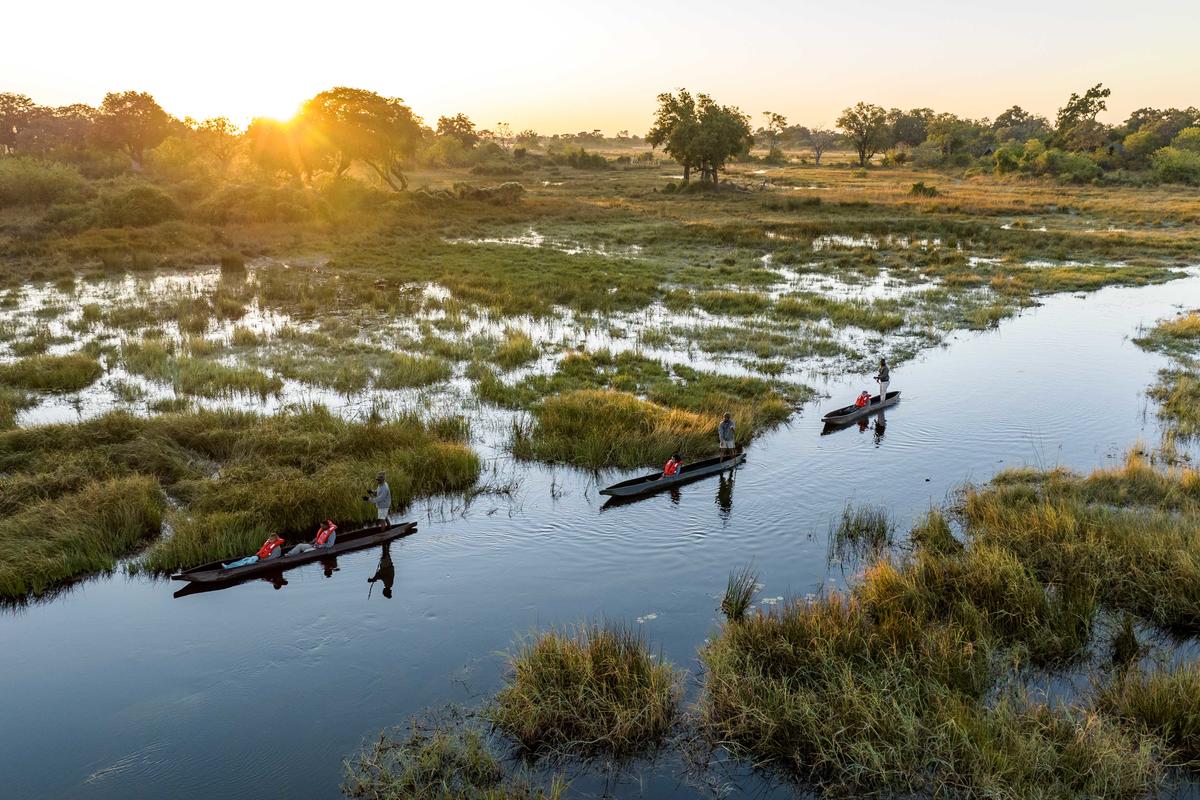
Jun–Aug: Okavango Delta in flood, mokoro (canoe) safaris.
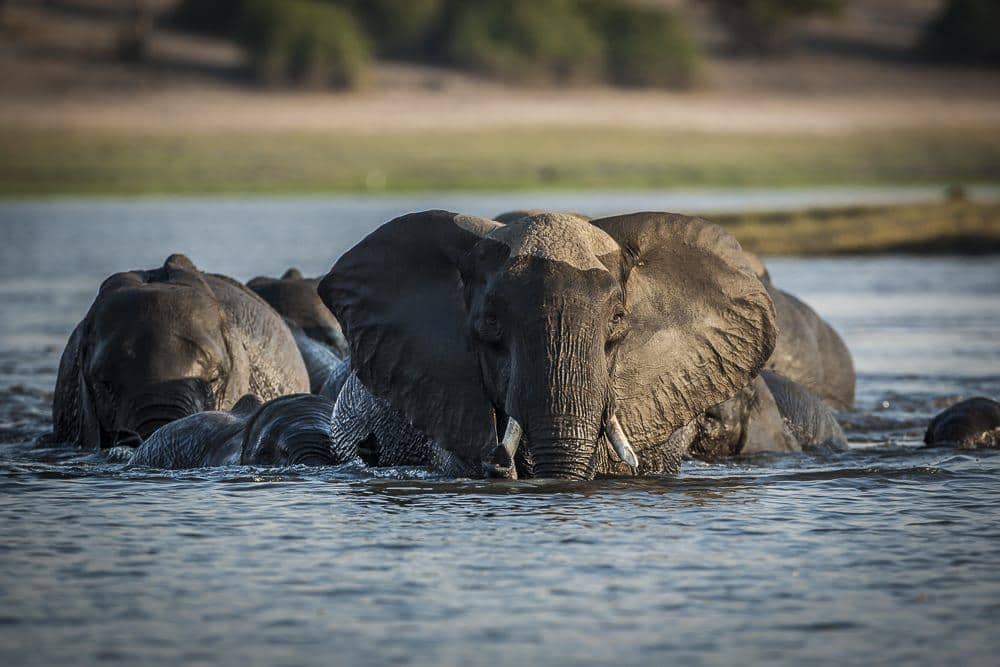
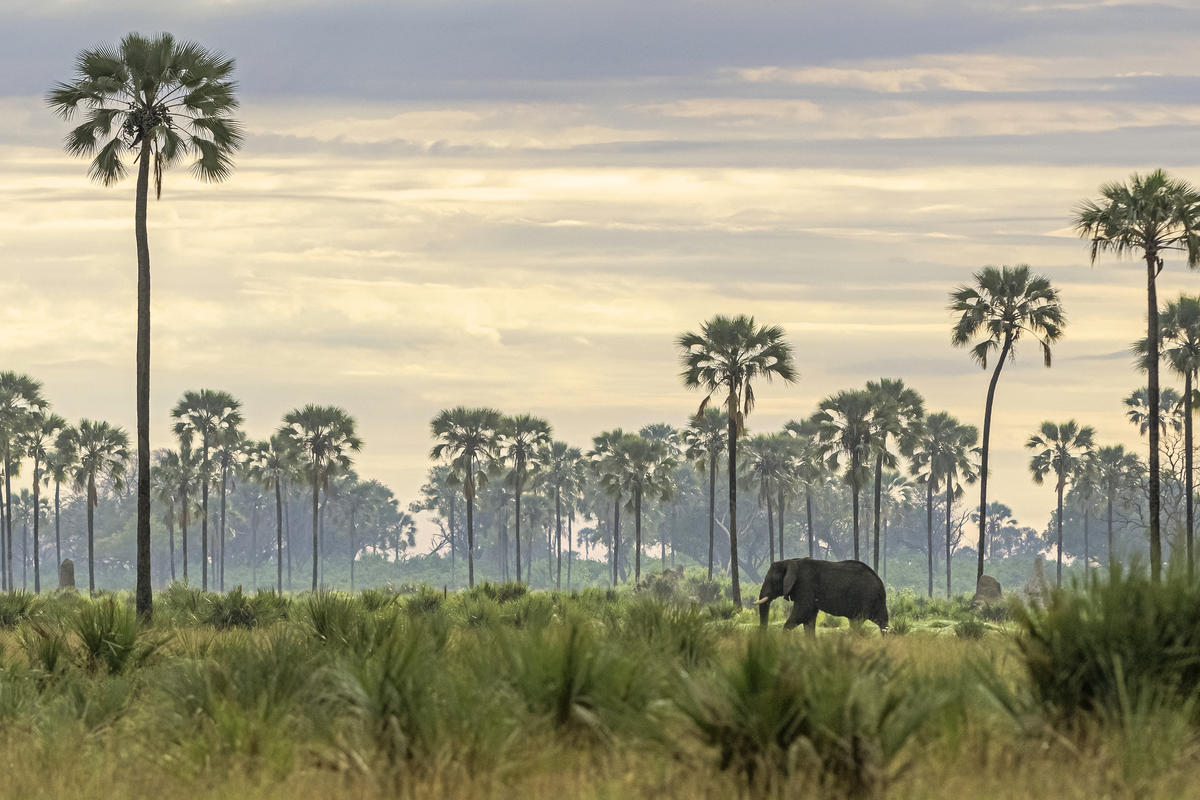
Sep–Oct: Huge elephant herds in Hwange, Zimbabwe.
Jun–Nov: Whale watching along the Cape coast.
When to Safari? It all comes down to your travel style
Honeymooners & Couples: May, June, September — cooler evenings, fewer crowds, romantic lodge stays.
Families with Children: July – September — concentrated wildlife and dry conditions, easier game drives.
Photographers & Wildlife Enthusiasts: Jan–Feb (East Africa) for calving, Jul–Sep for Migration, Sep–Oct (Southern Africa) for elephants and spring wildlife.
Luxury Travellers: Anytime outside heavy rains. Shoulder months (June, October) mean exclusivity and excellent sightings.
Adventure Seekers: Nov – March — green season safaris, lower costs, mokoro trips, walking safaris.
Safari Seasonality Calendar – East Africa & Southern Africa
Want a quick snapshot of how safari conditions shift through the year? Download our month by month guides to see what each season offers in East and Southern Africa.
Download the East Africa Seasonality Calendar
Download the Southern Africa Seasonality Calendar
JANUARY
East Africa: Calving starts mid-January. Dry season, great game viewing.
Southern Africa: Hot and wet in safari regions; Cape Town shines but can be windy.

FEBRUARY
East Africa: Calving continues. Excellent sightings, fewer crowds.
Southern Africa: Still wet and hot; Cape Town at its best.
MARCH – APRIL
East Africa: Long rainy season. Challenging game viewing, but lush landscapes and lower prices.
Southern Africa: April is a sweet spot. Rains taper, bush is lush, wildlife clusters at waterholes. Cape Town is still glorious.

MAY
East Africa: Tail end of rains. Fewer crowds, green scenery, lower rates.
Southern Africa: Autumn transition. Safari viewing improves as vegetation thins. Cape Town is still pleasant with fewer tourists.

JUNE
East Africa: Dry season begins. Wildlife concentrates near water.
Southern Africa: Peak winter safari conditions — dry, clear, excellent viewing. Cape Town and its surrounds are wintery with intermittent rainy days. Still great for hiking, visiting wine estates, and cosy restaurants. The whales start arriving.

JULY – SEPTEMBER
East Africa: Peak season. River crossings may occur; crowded parks.
Southern Africa: Prime safari months. Crisp mornings, superb visibility, outstanding wildlife. Spring is on its way in the Cape with wild flowers blooming and whales breaching!
OCTOBER
East Africa: Still dry with strong game viewing. Crowds ease.
Southern Africa: Hot and dry before summer rains; wildlife is still easy to spot. Cape Town is getting ready for the season: whales, wine, flowers, new experiences, and markets opening.
NOVEMBER – DECEMBER
East Africa: Short rains begin. Lower prices and fewer visitors. Lush scenery and migratory birds.
Southern Africa: Early rains bring greenery and newborns. Cape Town is in full swing with fun events and busy beaches.
Summing It Up: East Africa vs. Southern Africa
Wherever you choose, Africa rewards those who travel with the seasons. Align your timing with the rhythm of the land, and you’ll experience wildlife encounters and landscapes that will stay with you for a lifetime.
East Africa: Best for travellers wanting classic savannas and the chance (never guaranteed) to witness the Migration.Southern Africa: Broader mix of safari, cities, wine, and coast. May–September are the strongest months; April, October, and November are also rewarding.
Ready to Plan Your Perfect Safari?
Our safari consultants know these regions intimately. They understand the terrain, the logistics, and the seasonal nuances that can make or break an itinerary. More importantly, they know how to tailor a safari that fits both your timing and your travel style.
If you’re still struggling to decide, ask yourself:
- Are you drawn to the magic of newborn wildlife and spring renewal?
- Would you love to pair safari with vibrant cities, vineyards, and coastlines?
Get in touch with Liesl Matthews, Camille Rowe, Ilze Fox, Lise Kargaard for tailored safari trip advice. Alternatively, email us now at info@africansafaris.com and we’ll put you in touch directly.