
Your safari is booked, flights are locked in, and the countdown has begun. That pre-trip excitement is building, but so is the “what to pack?” anxiety. The reassuring truth: packing for safari is more straightforward than it looks. Once you understand how a typical day unfolds – brisk mornings, warm afternoons, and cooler evenings – putting your bag together becomes simple and stress-free.
We’ve been designing safaris for decades, and our advice is always: travel light, stick to neutral colours, focus on layers, and only bring what you’ll use. You’ll experience the classic ingredients of safari – fluctuating temperatures, a little dust, and bumpy tracks – but with a pared-back approach, you’ll be ready for it all without overpacking.
An African safari has a way of reminding you how little you actually need. Extra “just in case” items take up space and mental energy. Keep things streamlined, and you’ll have more freedom to soak up the wildlife, the landscapes, and those unforgettable quiet moments in between.
Let’s break it down step by step, drawing on the practical lessons we’ve learned from planning safaris just like yours.
Start with the Right Luggage
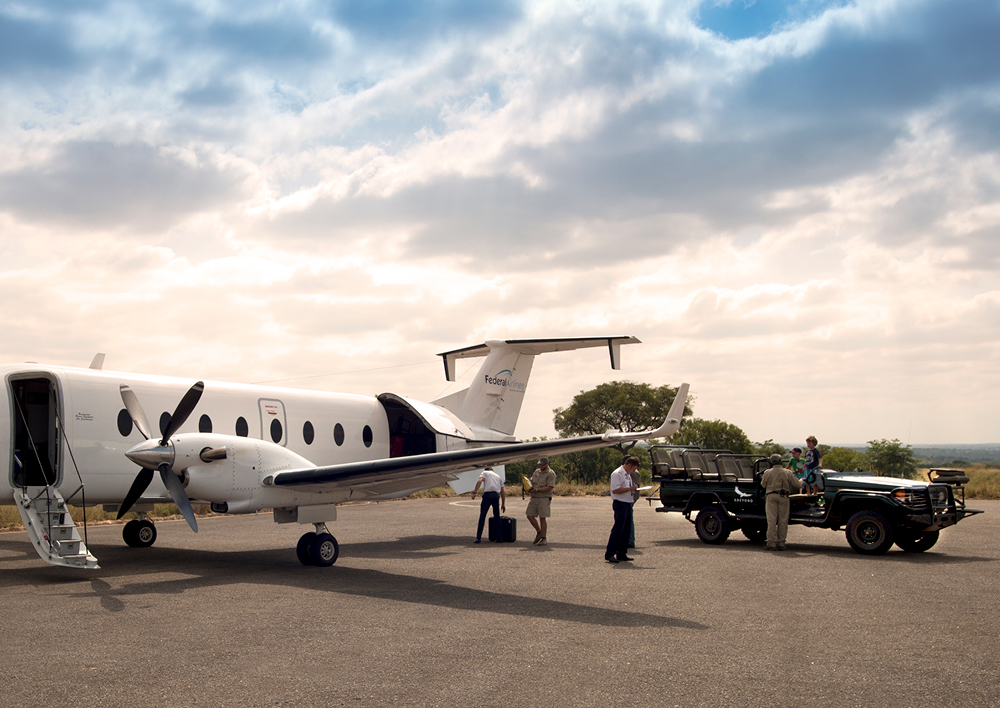
Most safaris in Southern and East Africa include light aircraft hops between camps, and these flights come with specific luggage rules. Hard-shell suitcases and anything with rigid frames or wheels are a problem – they simply don’t fit properly in the small cargo pods. A soft-sided duffel bag is the way to go: it compresses easily, stacks neatly, and handles rough travel without complaint.
Typical luggage limits:
- South Africa, Botswana, Zambia, Zimbabwe:
20 kg (44 lbs) per person in soft-sided duffel bags – including hand luggage. - Kenya, Tanzania, Namibia:
15 kg (33 lbs) per person in soft-sided duffel bags – also including hand luggage.
Always double check the luggage allowance for your particular route with your consultant before you travel. With daily laundry available at most good camps (often complimentary), you won’t need a huge wardrobe; a medium duffel (around 50–70 litres) plus a daypack is usually plenty.
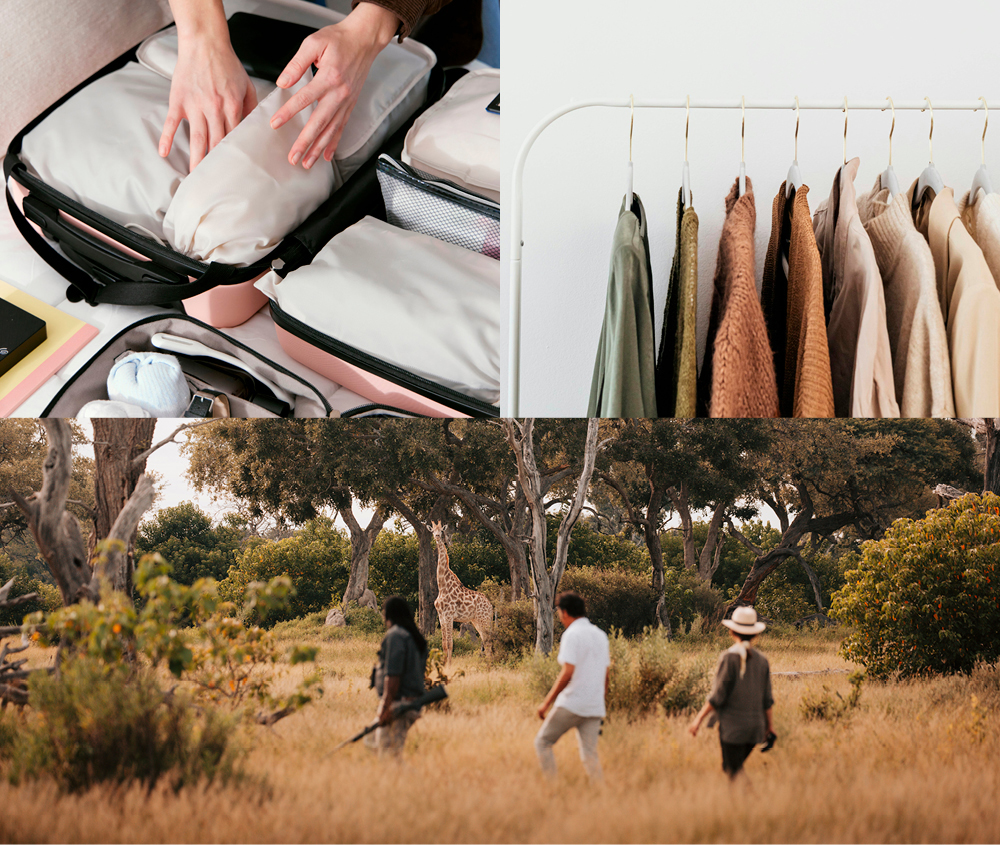
What to Wear on Safari: Neutral, Natural, Layered, and Comfortable
Safari clothing evolved for a reason, and the tried-and-tested choices still work best. Stick to neutral tones – think khaki, stone, olive, beige, and soft greys. These shades don’t show dust easily, keep you cooler in the sun, and blend into the bush without drawing attention. In regions where tsetse flies occur, avoid bright colours and strong darks like red, black, and deep blue, as they tend to attract them.
You don’t have to invest in a whole new “safari” wardrobe. Good-quality, breathable natural fabrics from your existing clothes – cottons and light linen blends – are perfect. Days often start chilly (sometimes under 10°C / 50°F in winter), warm up significantly, then cool again at night, so layering is key: add and remove pieces as the temperature shifts.
Suggested core wardrobe for 7–10 days:
- 3–4 lightweight, long-sleeved shirts or tops (better sun and insect protection than T‑shirts)
- 2 pairs of comfortable trousers (quick-dry or zip-off styles are especially versatile)
- 1–2 pairs of shorts
- 1 warm, wind-resistant fleece or softshell jacket for early drives
- A beanie or warm hat in winter months
- 1 lightweight, packable rain jacket (especially useful in the green/wet season)
Evenings in camp are casual – no need to dress up. Long sleeves and trousers after dark help with mosquito protection, and a light scarf or wrap adds a touch of warmth without taking much space.
Footwear: Simple and Sensible
Because most of your wildlife viewing is done from a vehicle, you don’t need heavy, technical hiking boots unless you’re joining a serious walking safari.
Pack:
- Comfortable trainers/sneakers for game drives and everyday wear
- Closed-toe shoes (sturdy trainers are usually fine) for any guided bush walks
- Sandals or flip-flops for relaxing around camp and by the pool
A supportive sports bra makes bumpy tracks much more comfortable, and plenty of socks and underwear are small items that make a big difference to your comfort.
Sun, Dust, and the Non-Negotiable Essentials
The African sun and dry air can be intense, so a few key items are essential rather than optional:
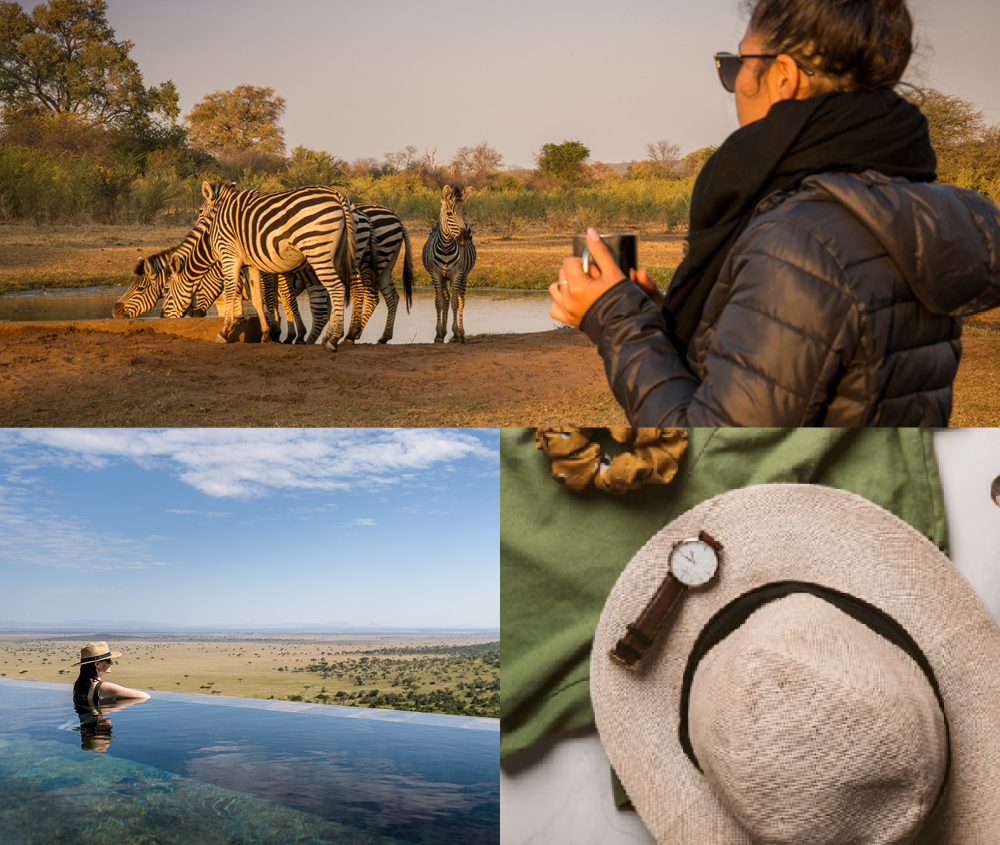
- Wide-brimmed, packable sun hat
- Warm beanie for chilly winter mornings
- Polarized sunglasses (ideally with a strap so they don’t go flying off in the wind)
- Lightweight scarf, buff, or bandana (useful as a dust mask, neck warmer, or cover-up)
- Swimwear (many camps have pools – choose modest styles in more traditional areas)
- High-SPF sunscreen and SPF lip balm
- Insect repellent with DEET (Peaceful Sleep or similar works well)
- Body wipes for a quick freshen-up between showers
All medications should go in your carry-on bag, with more than enough for the full trip (plus a little extra). Add a small personal medical kit: antihistamines, pain relief, antiseptic cream, plasters, and anti-nausea tablets if you’re prone to motion sickness. If you’re travelling to a malaria area, consult your doctor or travel clinic 6–8 weeks before departure about prophylactics and vaccinations.
Cameras, Binoculars, and Tech
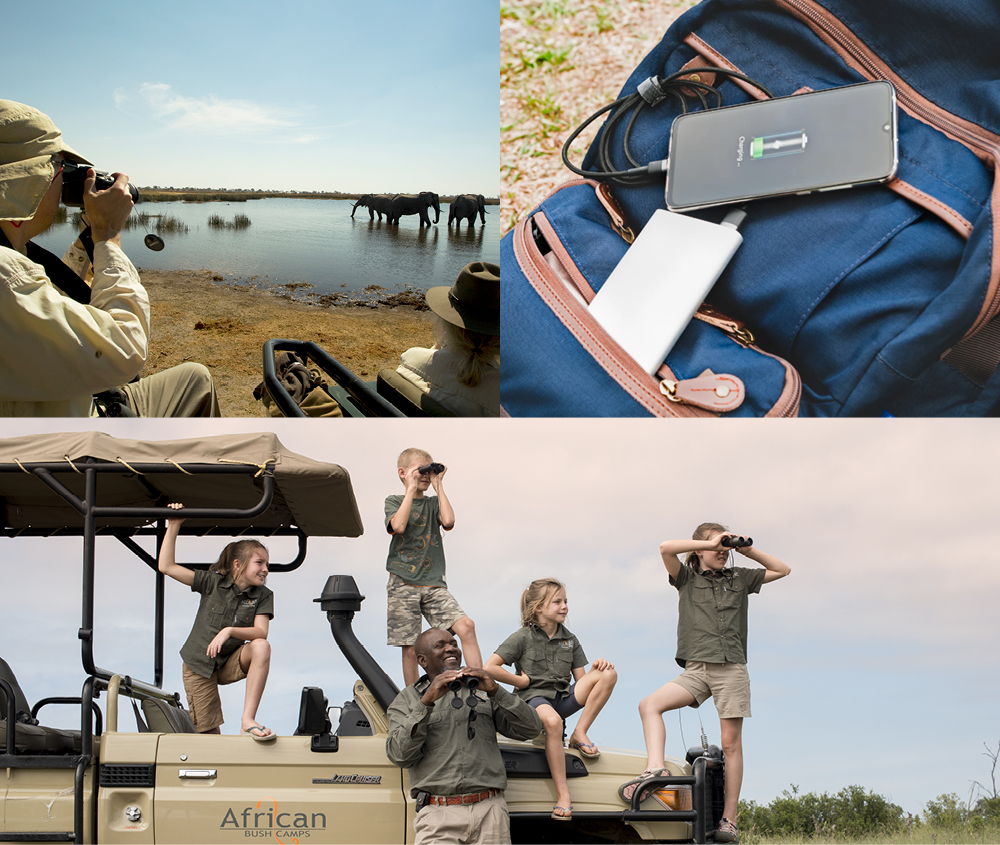
You don’t need professional camera gear to come home with beautiful memories. Many travellers now rely solely on smartphones and get excellent photos. What does make a major difference is a good pair of binoculars.
We recommend 8×42 binoculars as the best all-round choice: bright in low light, easy to hold, and sharp. Brands like Maven, Vortex, and Swarovski offer great options; choose the best you can afford. Some camps have binoculars on hand, but having your own familiar pair is usually more satisfying.
Other handy tech to pack:
- Camera (if using one) plus spare batteries and memory cards
- Small power bank for long game drives or travel days
- Universal adaptor plugs suitable for your destinations
- Soft dust bags or cases for cameras, phones, and lenses
What to Leave at Home
The most common packing regret on safari is bringing too much. You can safely skip:
- Hard-shell or wheeled suitcases
- Expensive jewellery or valuables you’d hate to lose
- Drones (usually banned or tightly controlled in parks and reserves)
- Single-use plastic bags (illegal in several African countries)
- Extra clothing you “might” wear but probably won’t
Regional and Special-Interest Notes
Gorilla trekking (Uganda & Rwanda)
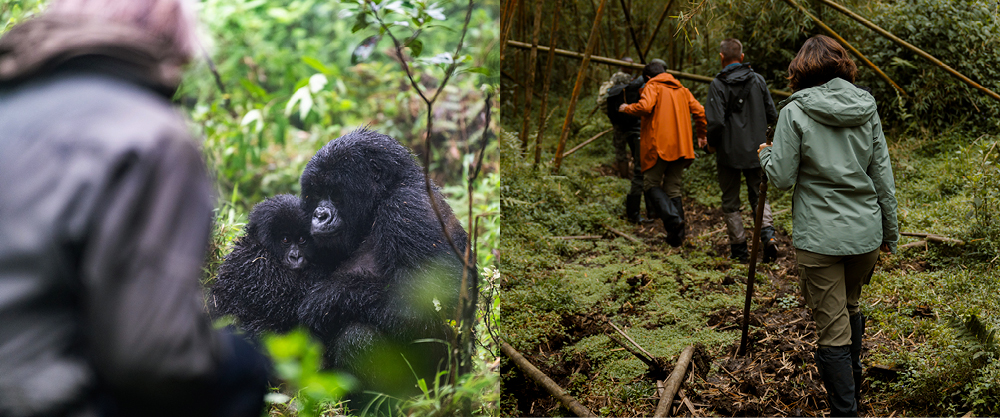
This is an active excursion and can be muddy, steep, and wet. Pack:
- Sturdy, broken-in hiking boots with good grip
- Long trousers and long-sleeved shirts (for thorns and insects)
- Gaiters if conditions are wet
- Lightweight waterproof jacket and trousers
- Thin (gardening) gloves for gripping vegetation
- Small daypack for water, snacks, and layers
- Walking sticks are usually available at the trailhead.
Beach add-ons (e.g. Mozambique, Indian Ocean islands)
Think light and relaxed:
- Sarongs or cover-ups
- Reef-safe sunscreen
- Flip-flops
- Linen shirts, shorts, or casual dresses
- Simple sandals for the evenings

Botswana
Soft-sided luggage is compulsory. Winter mornings (May–August) can be very cold, so add an extra warm layer, gloves, and a beanie.
East Africa (Kenya & Tanzania)
Long sleeves and trousers help protect against insects, especially at dawn and dusk. Closed shoes are recommended for any walking activities.
City breaks (Cape Town, Johannesburg, Nairobi, etc.)
Pack one or two smart-casual outfits and comfortable walking shoes for restaurants, galleries, and sightseeing.
Useful Apps to Download Before You Go
Signal in remote areas is often limited, so it’s helpful to have a few tools ready in advance:
- Travelkey App – Access your personalised itinerary from your African Safaris Consultant.
- Roberts Bird Guide App – An excellent bird ID resource for Southern and East Africa.
- iNaturalist – For identifying and learning more about plants, insects, and animals you encounter.
- Google Maps (offline maps) – Handy for city days and self-drive segments; download maps before you leave.
- Airline apps – For mobile boarding passes, check-in, and flight updates.
Once you’re on safari, life naturally falls into a gentler rhythm – dawn wake-ups, golden-hour drives, quiet siestas, and starlit dinners by the fire. Pack for comfort and simplicity, leave some space in your bag for curios and souvenirs, and allow the African bush to work its magic. Bon voyage!
Click on the graphic below to download our printable Packing Checklist